
Quantum computing changes everything we thought we knew about processing power
We're teaching the next generation how to work with technology that makes today's supercomputers look like calculators. Real quantum mechanics, actual AI integration, practical applications you can use.
Our students see real progress
These numbers reflect what happens when you combine structured curriculum with hands-on practice. Every metric represents actual learning outcomes tracked across our student community.
Students currently enrolled and working through quantum computing fundamentals and advanced AI integration courses
Students who finish their chosen learning path within the standard timeframe, above industry average
Video lectures, interactive labs, and practical exercises covering quantum algorithms and machine learning applications
Based on course evaluations, with students highlighting clear explanations and practical relevance
Live learning sessions and workshops

Quantum Algorithm Deep Dive
Weekly sessions where we break down Grover's and Shor's algorithms step by step. You'll write actual quantum circuits and see them run on real quantum hardware simulators.

AI Integration Workshop
Monthly intensive sessions focused on combining classical machine learning with quantum computing. We work through optimization problems that benefit from hybrid approaches.
How learning actually works here
No magic formulas or overnight transformations. Just a clear path from quantum basics to building functional applications. Each phase builds on what came before.
Quantum foundations
Start with qubits, superposition, and entanglement. You'll understand the theory through interactive simulations before touching any code.
Circuit design
Build quantum circuits using Qiskit. You'll create gates, measure outcomes, and debug when results don't match expectations.
Algorithm implementation
Write working versions of key quantum algorithms. Test them on simulators and understand where they outperform classical approaches.
Applied projects
Solve real problems combining quantum computing with AI. Portfolio-ready work that demonstrates what you've learned.
What you'll actually build
Real applications, not toy problems
Every project in our curriculum connects to actual use cases. You're not building demonstrations—you're creating functional prototypes that showcase quantum advantage in specific scenarios.
- Optimization algorithms for logistics and scheduling problems
- Quantum machine learning classifiers for pattern recognition
- Cryptographic protocols using quantum key distribution
- Financial modeling with quantum Monte Carlo methods
- Drug discovery simulations leveraging molecular modeling
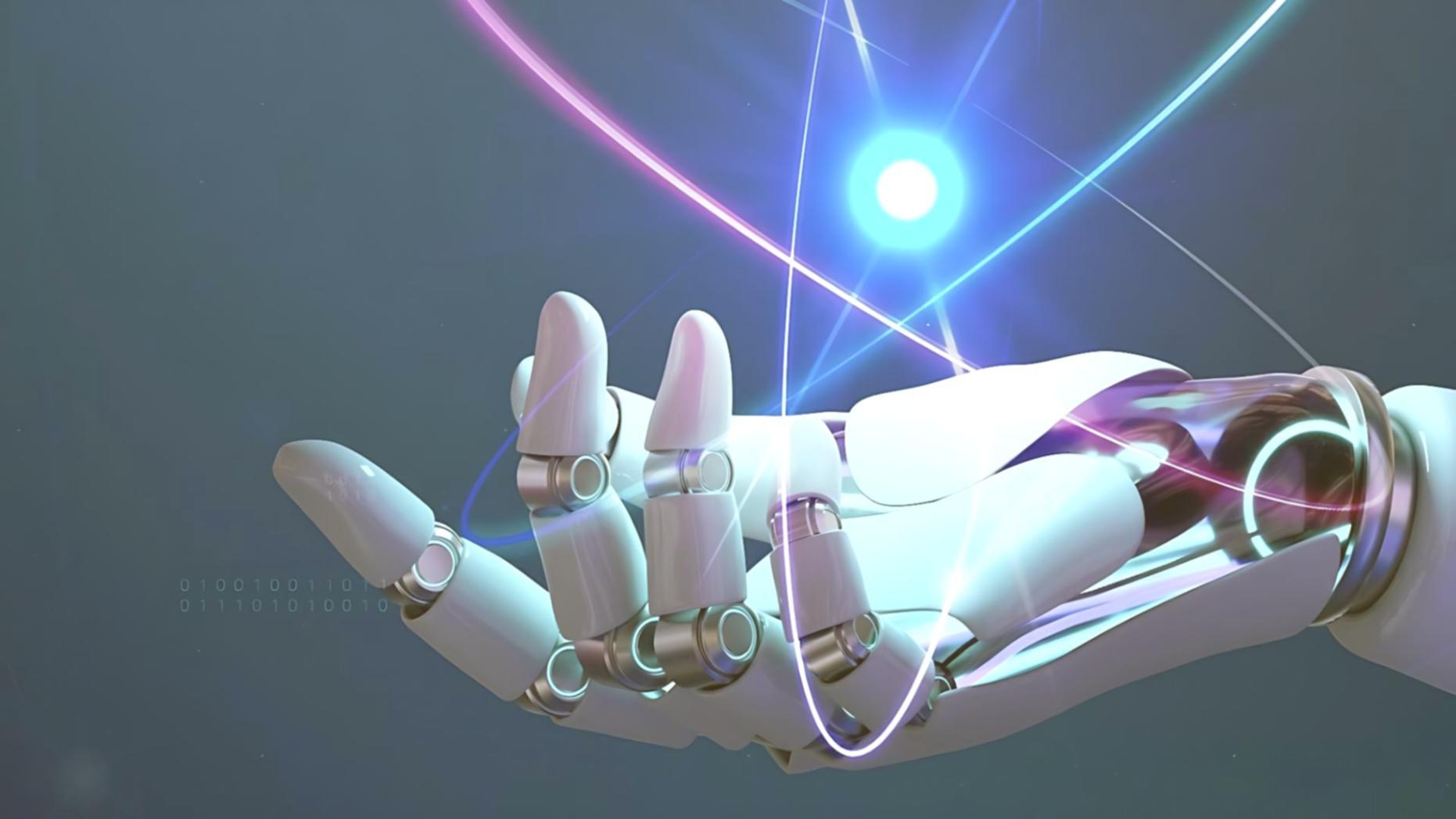
Solving actual problems
We focus on areas where quantum computing provides measurable advantages over classical methods. These aren't future possibilities—they're applications being deployed right now.
Chemical simulations
Model molecular interactions that classical computers struggle with. Useful for materials science and pharmaceutical research where quantum effects dominate behavior.
Optimization at scale
Tackle routing, scheduling, and resource allocation problems with thousands of variables. Quantum annealing finds solutions faster than brute force classical approaches.
Cryptography protocols
Implement quantum-resistant security and quantum key distribution. Understand both the threats quantum computing poses to current encryption and the defensive solutions.
Machine learning enhancement
Use quantum circuits to process high-dimensional data and find patterns in complex datasets. Hybrid classical-quantum models show promise for specific classification tasks.
What students say after completing the program

Ingrid Solberg
Software Engineer, Research Lab
I came in with a computer science background but zero quantum knowledge. The curriculum built my understanding methodically. Now I'm writing quantum algorithms for optimization problems at work and actually understand what's happening under the hood.

Petra Kowalczyk
Data Scientist, Tech Startup
The practical focus made all the difference. Every concept immediately connected to code I could run and test. The projects pushed me to combine quantum circuits with machine learning pipelines, which is exactly what I needed for my career transition.
Ready to start learning quantum computing?
Join students across the region who are building quantum skills through hands-on practice. Get access to our full curriculum, live sessions, and project library.
View Learning Program