
Remote learning shouldn't feel distant
Building accessible tech education across Alberta
We started Obrynxara in 2024 because students in Fort McMurray and similar regions had limited options for quantum computing and AI education. Geography shouldn't limit access to advanced technical knowledge.

Why we exist
Fort McMurray has talented students who want to work with emerging technologies, but most advanced courses require relocating to major cities. That creates an unfair barrier.
We built Obrynxara to eliminate that barrier. Our platform delivers structured quantum computing and AI curriculum to anyone with internet access. Students learn the same material as university courses, but they do it from wherever they are.
The content isn't simplified. We cover quantum gates, circuit design, machine learning architectures, and algorithm optimization. Our approach assumes students are capable of handling complex material when it's presented clearly.
Students enrolled across Alberta and neighboring provinces
Course completion rate for structured programs
Hours of practical lab exercises in quantum simulation environments
Specialized learning tracks from fundamentals to advanced applications
How we teach complex topics
Quantum computing and AI require specific teaching methods. Here's what actually works for students learning remotely.
Sequential structure
Concepts build logically from foundations. You can't understand quantum entanglement without grasping superposition first. Our curriculum enforces this progression so students don't hit knowledge gaps later.
Interactive simulations
Reading about quantum gates isn't enough. Students work in simulation environments where they build circuits, run algorithms, and see immediate results. Mistakes become learning opportunities rather than failures.
Real code examples
Every theoretical concept connects to actual code implementations. Students see Python libraries for quantum computing and machine learning frameworks in action, then modify working examples to understand behavior.
Spaced practice
Complex material requires repetition over time. Our system spaces out review sessions so students revisit concepts before forgetting them. This approach improves retention significantly compared to cramming.
Problem sets
Weekly problem sets force students to apply what they learned. These aren't multiple choice quizzes. Students write algorithms, debug circuits, and explain their reasoning in written responses.
Instructor feedback
Every submission gets reviewed by instructors with experience in quantum systems or machine learning. Feedback addresses specific mistakes and suggests improvements rather than just assigning grades.
Who teaches this material
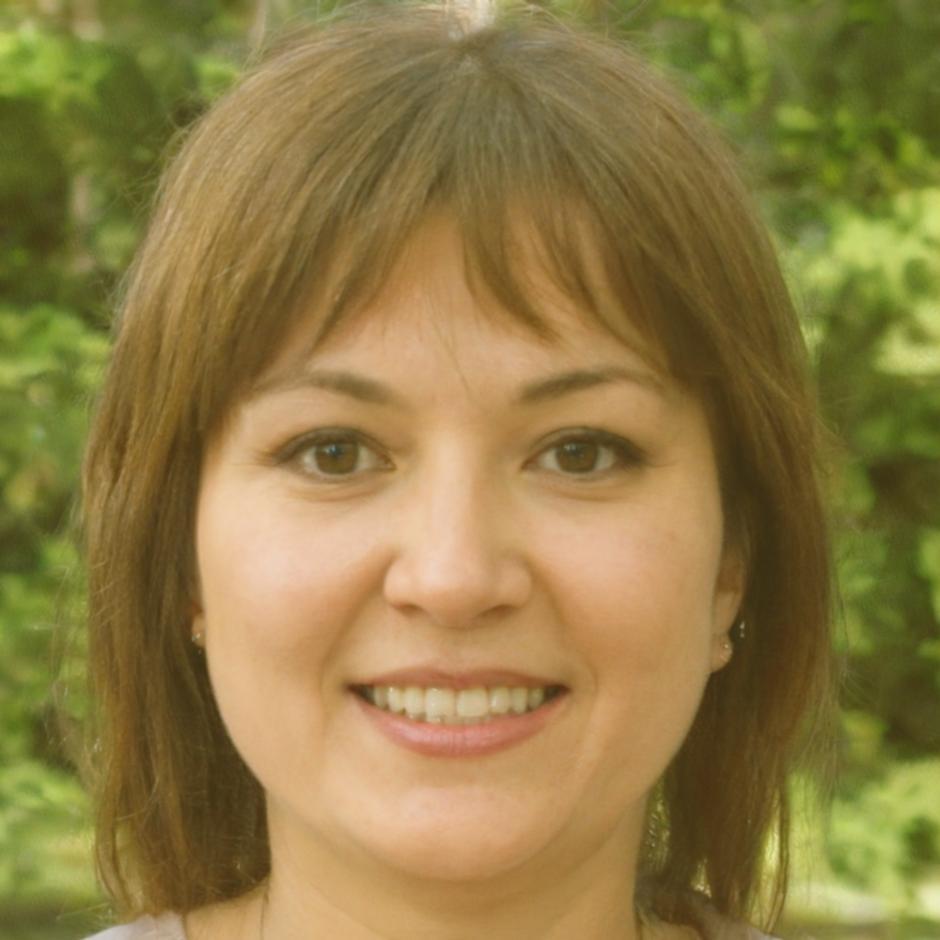
Dr. Siobhan Klausen
Founder & Lead Instructor
I spent eight years researching quantum error correction at the University of Waterloo before moving to Fort McMurray for family reasons. The lack of advanced technical education here was immediately obvious.
Obrynxara started as informal evening sessions teaching quantum basics to local students. When demand grew beyond what evening sessions could handle, I built a proper online platform with structured curriculum.
I still handle most instruction personally, focusing on quantum computing fundamentals and intermediate topics. Our team now includes two additional instructors who cover machine learning architecture and applied AI development.
What guides our decisions
Accessibility over prestige
We prioritize making content reachable for students in remote areas rather than building an exclusive brand. If a student has decent internet and motivation to learn, they should be able to access our courses.
Technical depth
We don't water down complex topics to make them easier to market. Students get the same rigorous content they'd encounter in graduate programs. This means some struggle initially, but they develop real competence.
Student support
Remote learning requires extra support infrastructure. Students can schedule video sessions with instructors, participate in discussion forums, and access recorded office hours. Isolation shouldn't mean struggling alone.
Updated content
Quantum computing and AI evolve rapidly. We update course materials quarterly to reflect new developments, research findings, and industry practices. Students shouldn't learn outdated approaches.
Start learning quantum computing or AI
Our structured programs are currently open for enrollment. Review available courses to see which track matches your background and goals.