How we structure learning to match how you think
Our approach combines adaptive pacing with structured feedback loops so you can measure progress in quantum computing and AI concepts through direct application.
Three-phase learning architecture
We break down complex quantum and AI topics into digestible stages. Each phase builds on the previous one with clear milestones so you know exactly where you are in the process.
Foundation Layer
Start with fundamental concepts and mathematical prerequisites. You'll work through quantum mechanics basics and classical computing principles before moving to quantum gates and qubit operations.
Application Phase
Apply theory to real quantum algorithms like Grover's search and Shor's factorization. You'll write actual quantum circuits using Qiskit and see how AI optimization techniques enhance quantum computation.
Integration Stage
Combine quantum computing with machine learning models. Build hybrid classical-quantum systems and understand where quantum advantage actually appears in practical AI tasks.
Structured feedback at every checkpoint
Each module includes direct assessment points where you submit working code and receive specific feedback on both technical accuracy and conceptual understanding. We don't just check if your algorithm runs—we verify you understand why it works.
You'll complete coding assignments in Python using industry-standard quantum libraries. These assignments mirror real problems quantum computing researchers solve, not simplified exercises. The feedback identifies gaps in your understanding before you move forward.
Progress depends on demonstrating competence, not completing time requirements. If you grasp concepts quickly, you advance. If you need more time with quantum entanglement or variational circuits, you get targeted resources for those specific areas.

Tracking what actually matters
Concept Mastery
Track understanding of core quantum principles through problem sets that require applying theory to new scenarios
Implementation Skills
Build working quantum circuits and AI models with increasing complexity across multiple frameworks
Applied Problems
Solve industry-relevant challenges using quantum algorithms combined with machine learning techniques
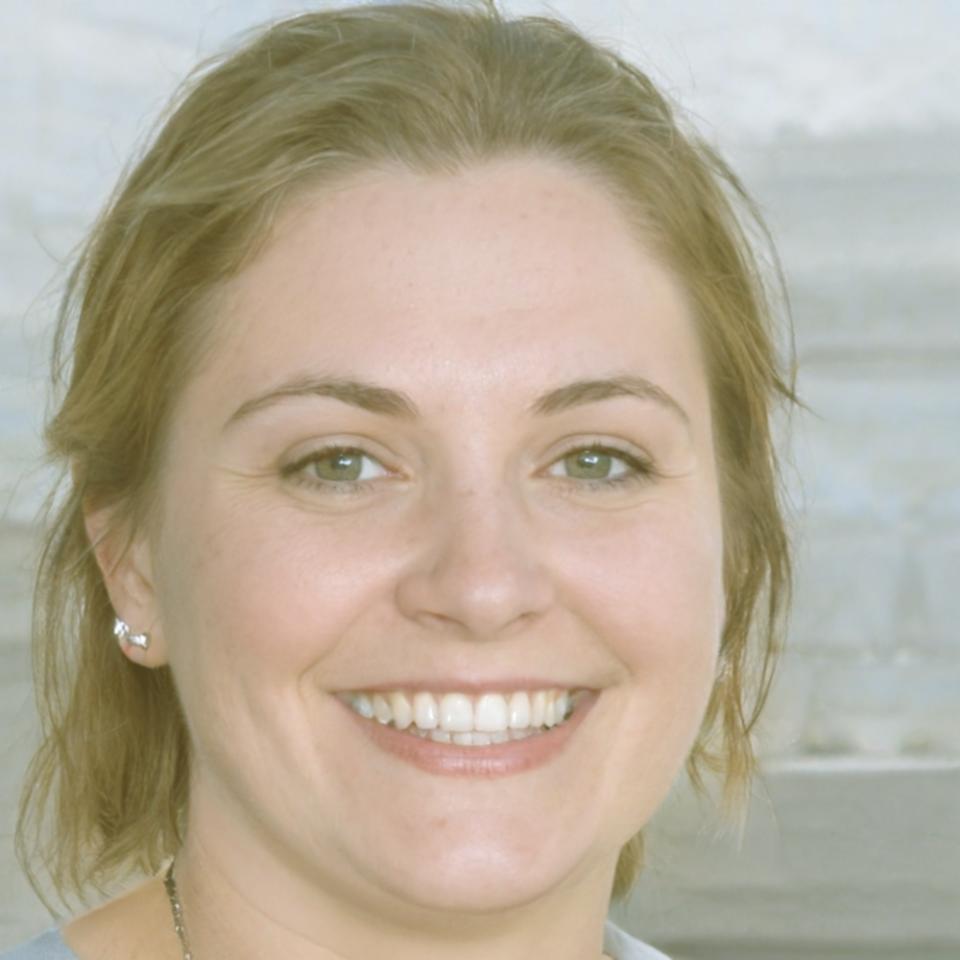
Dr. Ingrid Karlsson
Ingrid structures our quantum computing curriculum based on how students actually learn complex mathematical concepts—not how textbooks traditionally present them. She spent eight years teaching quantum mechanics at the graduate level before designing online learning systems.
Her approach prioritizes building intuition through repeated exposure to key concepts in different contexts rather than linear progression through increasingly abstract material. Students work with quantum gates before fully understanding the underlying mathematics because manipulating actual circuits builds the mental models needed to make the theory click.
The feedback loops she designed catch conceptual misunderstandings early. If your code produces correct results but your explanation reveals confusion about superposition, you'll get specific resources addressing that exact gap before attempting the next module.